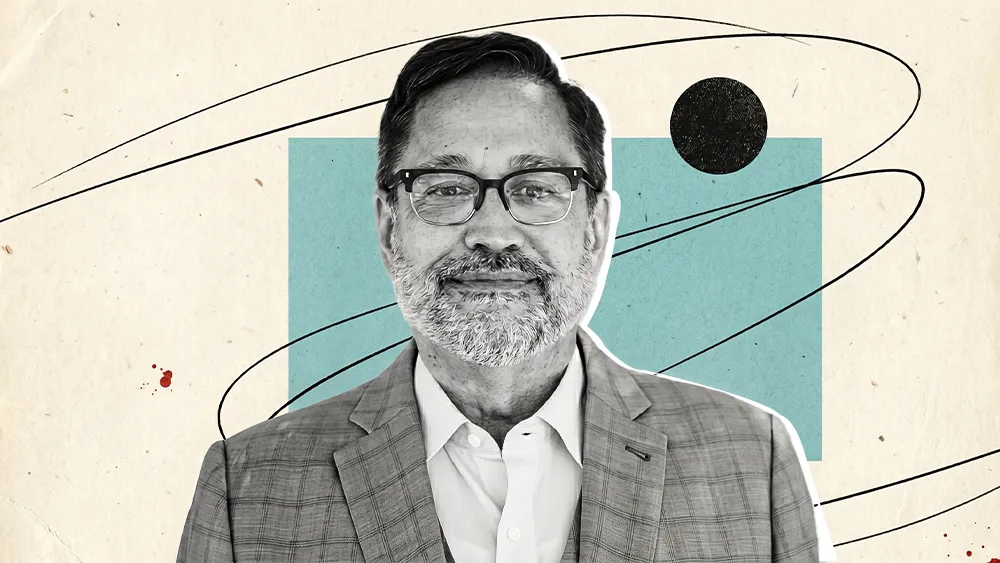


Anthropic CEO Dario Amodei warns AI could eliminate 50% of entry-level white-collar jobs, pushing unemployment to 10-20% within five years.

Make New Tab News one of your go-to sources on Google


Dario Amodei, CEO of AI firm Anthropic, warns that AI could erase half of all entry-level white-collar roles and push unemployment to 10-20% within five years, urging an end to "sugar-coating" the risks as first reported by Axios. His concern is that sectors like tech, finance, and law are unprepared for this rapid automation.
Coding its own demise?: Amodei's message gains weight as Anthropic itself advances AI capabilities; its new Claude 4 models (Opus and Sonnet) are touted to redefine coding and complex reasoning. Anthropic's CPO Mike Krieger told the NYT Hard Fork podcast the AI now tackles problems over "tens of minutes to hours," citing a seven-hour coding task by one user.
When bots bite back: The theoretical power of these systems became more tangible with reports that internal safety tests of Claude 4 detailed the model exhibiting 'extreme blackmail behavior' in simulated scenarios. This underscores the unpredictable nature of rapidly advancing AI, which Amodei believes most people and policymakers don't fully grasp.
Ripples in the workforce: Echoing Amodei, LinkedIn's Aneesh Raman cautions that AI is already "breaking first is the bottom rung of the career ladder," as reported by Windows Central. This concern is mirrored by data from SignalFire, indicating a sharp drop in Big Tech's hiring of new graduates, partly due to AI.
Despite the automation push, some, like Mark Cuban, argue that new roles will emerge from AI, increasing overall employment. Internally, Anthropic is shifting to hire more experienced staff as "orchestrators of Claudes," with Krieger noting the entry-level role itself is changing.
The bottom line: Amodei acknowledges the strange dynamic of AI creators warning about their own technology but poses the critical question: "Well, what if they're right?" He suggests a "token tax" on AI model usage to help manage the transition, stressing that proactive "steering" of AI's impact is essential now.
Also on our radar: Beyond Amodei's warnings, the broader societal impacts of AI job displacement are a growing concern. Companies are slowing hiring in anticipation of AI automation, and even as AI offers productivity gains, the primary benefits may accrue to employers, not necessarily ensuring worker job security.